
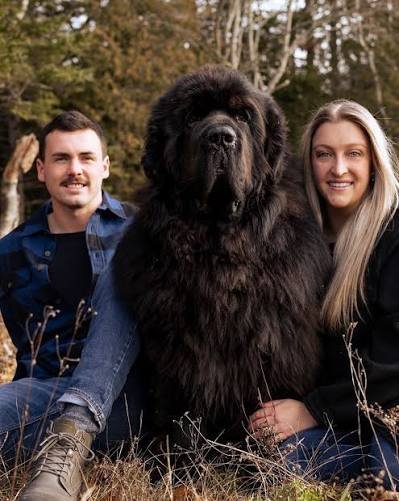
Newfoundland Dog Facts Every Pet Lover Should Know begin with the remarkable history and personality of this large working breed. Newfoundland dogs are famous for their impressive size, calm temperament, intelligence, and deep loyalty to the people around them. Originally developed in Newfoundland, Canada, these dogs were valued for their strength and swimming ability. Fishermen relied on them for demanding tasks, including helping with nets, pulling equipment, and assisting people in the water. Their history as working companions helps explain why they remain strong, capable, and devoted family dogs today.
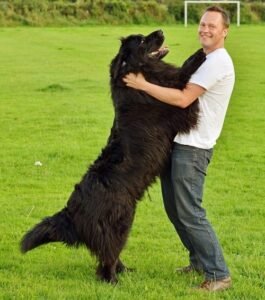
One of the most interesting Newfoundland Dog Facts Every Pet Lover Should Know is that their enormous appearance does not usually match their gentle personality. They are often described as gentle giants because they tend to be patient, affectionate, and friendly. A well-socialized Newfoundland can become strongly attached to its family and may enjoy spending much of the day near its owners. Despite their size, many have a surprisingly calm presence indoors when their exercise and companionship needs are properly met.
Another important point about Newfoundland Dog Facts Every Pet Lover Should Know is that owning one requires thoughtful preparation. Their large bodies, thick coats, food requirements, grooming needs, and exercise habits mean they can require more time and resources than smaller breeds. However, families who understand these responsibilities can find Newfoundland dogs to be loving and rewarding companions.
Table of Contents
ToggleAppearance, Size, and Physical Characteristics
Newfoundland Dog Facts Every Pet Lover Should Know include their distinctive physical characteristics. Newfoundland dogs are large, powerful animals with broad chests, strong legs, muscular bodies, and large heads. Their substantial bone structure gives them an impressive appearance, while their soft facial expression often makes them appear approachable and friendly. Adult dogs can vary considerably in size, with males generally being larger than females.
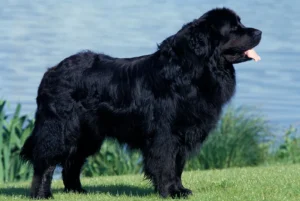
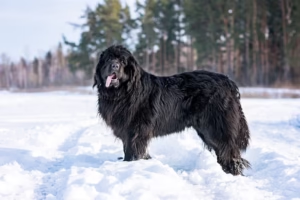
Their coat is another defining feature. Newfoundland dogs have a thick, water-resistant double coat designed to provide insulation in cold and wet conditions. The outer coat is relatively long and coarse, while the undercoat is softer and dense. This natural protection was particularly valuable when the breed worked around cold northern waters.
Coat colors can vary, with black being one of the best-known varieties. Depending on breed standards and region, Newfoundland dogs may also appear in brown, gray, or black-and-white patterns. Their coat can look magnificent when properly maintained, but prospective owners should understand that a thick coat also means regular grooming and considerable shedding.
Their Famous Swimming Ability
One of the most fascinating Newfoundland Dog Facts Every Pet Lover Should Know is their natural relationship with water. These dogs have several physical characteristics that support swimming, including strong limbs and partially webbed feet. Their powerful bodies and thick coats help them work effectively in cold water.
Historically, Newfoundland dogs were valued for water rescue and maritime work. Their strength and swimming ability allowed them to assist people in dangerous situations. Even today, many individual Newfoundlands enjoy swimming, although every dog should be introduced to water carefully and supervised around pools, lakes, rivers, or the sea.
Personality and Temperament
The temperament of the Newfoundland is one of the biggest reasons people become interested in the breed. Newfoundland Dog Facts Every Pet Lover Should Know would not be complete without discussing their affectionate and patient nature. These dogs often form strong relationships with their human families and may enjoy being involved in everyday household activities.
They can be particularly gentle with children when properly trained and supervised. Their calm nature has earned them a reputation as excellent family companions. However, their enormous size means that even a friendly Newfoundland can accidentally knock over a small child simply by turning around or becoming excited. Responsible supervision is therefore essential.
Newfoundland dogs can also be sensitive. Harsh training methods may damage their confidence and weaken the relationship between the dog and owner. Positive reinforcement, consistency, patience, and clear boundaries are generally more appropriate approaches.
Their social nature means they usually prefer companionship rather than being isolated for long periods. A Newfoundland that receives attention, exercise, training, and family interaction is more likely to develop into a confident and well-adjusted companion.
Training and Socialization
Training is an important part of Newfoundland Dog Facts Every Pet Lover Should Know because a large dog needs reliable manners. Teaching basic commands while the dog is young can make everyday life much easier. Commands such as sit, stay, come, leave it, and walking politely on a leash can become particularly valuable as the puppy grows.
Early socialization is equally important. Puppies should gradually experience different people, safe environments, household sounds, appropriate dogs, and new situations. Positive experiences can help them become confident adults rather than fearful or overly cautious dogs.
Because Newfoundland puppies grow rapidly, owners should avoid treating them like small dogs for too long. Establishing good habits early is much easier than trying to correct unwanted behavior after the dog becomes extremely large.
Exercise and Mental Stimulation
Despite their calm reputation, Newfoundland dogs still need regular physical activity. Their exercise requirements depend on age, health, weather, and individual personality. Puppies need carefully controlled activity because their developing bones and joints can be vulnerable to excessive strain.
Adult dogs generally benefit from walks, controlled outdoor activities, training sessions, and opportunities to explore. Swimming can be an enjoyable activity for dogs that like water, but it should always be approached safely.
Mental stimulation matters too. Simple obedience exercises, interactive games, scent activities, and supervised exploration can help prevent boredom. A Newfoundland does not necessarily need nonstop intense exercise, but it does need a balanced lifestyle.
Grooming and Coat Care
Grooming is among the practical Newfoundland Dog Facts Every Pet Lover Should Know that potential owners should consider before bringing one home. Their dense double coat can collect dirt, leaves, moisture, and debris. Regular brushing helps remove loose hair and prevents mats from developing.
During periods of heavier shedding, owners may notice significantly more hair around the home. A consistent grooming routine can make this easier to manage. Depending on the dog’s coat and lifestyle, professional grooming may also be helpful.
Bathing should be done when necessary rather than excessively. After swimming or getting wet, the coat should be dried properly because moisture trapped close to the skin can contribute to irritation or discomfort. Owners should also regularly check the ears, nails, teeth, and skin as part of general care.
Nutrition and Daily Care
A balanced diet is another major consideration. Newfoundland Dog Facts Every Pet Lover Should Know include the fact that large breeds have different nutritional considerations from small dogs. Puppies in particular need appropriate nutrition that supports steady growth without encouraging excessively rapid development.
Owners should select food according to the dog’s age, size, activity level, and individual needs. Portion control is important because carrying unnecessary weight can place additional stress on the joints and cardiovascular system.
Fresh water should always be available. Because Newfoundlands can be messy drinkers, some owners use easily cleaned feeding areas to manage splashes and drool. Their size also means that owners should plan ahead for food storage, feeding equipment, sleeping arrangements, and transportation.
Health and Veterinary Considerations
Responsible ownership requires attention to health. Newfoundland Dog Facts Every Pet Lover Should Know include the importance of routine veterinary care throughout the dog’s life. Like many large breeds, Newfoundlands can be susceptible to certain inherited or size-related health concerns.
Potential issues may include orthopedic problems, heart conditions, and other breed-associated disorders. This does not mean that every Newfoundland will develop these conditions, but prospective owners should understand the importance of responsible breeding, health screening, preventive veterinary care, and monitoring for changes in behavior or mobility.
Maintaining a healthy body weight can be especially important for large dogs. Regular veterinary examinations allow problems to be identified earlier and provide opportunities to discuss nutrition, exercise, dental care, parasite prevention, and other aspects of long-term health.
Owners should also learn to recognize unusual symptoms. Changes in appetite, energy, breathing, movement, digestion, or behavior can sometimes indicate that veterinary attention is needed.
Newfoundland Dogs as Family Companions
For many households, Newfoundland Dog Facts Every Pet Lover Should Know point toward one major conclusion: this breed can be an exceptional companion for the right family. Their loyalty and affectionate nature can make them deeply integrated members of a household.
They often enjoy following their owners around the home and participating in family activities. Their calm presence can be comforting, while their playful side can provide plenty of entertainment. However, their size means that the home must have enough space for a large dog to move comfortably.
Families should also consider their lifestyle. A Newfoundland may not be the best match for someone who wants a very independent, low-maintenance pet. These dogs generally benefit from regular interaction, grooming, exercise, training, and companionship.
Living With a Newfoundland Dog
Daily life with a Newfoundland can be both rewarding and messy. Newfoundland Dog Facts Every Pet Lover Should Know include the reality that drool, shedding, wet fur, and muddy paws can become normal parts of ownership. Planning ahead can make these challenges much easier.
A washable sleeping area, grooming supplies, towels near entrances, and easy-to-clean floors can be useful. Owners should also ensure that the dog has a comfortable place to rest because large breeds spend significant time sleeping and relaxing.
Transportation is another practical consideration. A Newfoundland requires enough room to sit, stand, and travel safely. Families should think about vehicle size and safe transportation arrangements before committing to the breed.

Is a Newfoundland Dog Right for You?
Choosing a dog should involve more than appearance. Newfoundland Dog Facts Every Pet Lover Should Know show that these dogs can be wonderful companions, but they also come with substantial responsibilities. Their size, grooming requirements, food needs, exercise routine, and potential health expenses should all be considered.
A suitable owner should be prepared to provide consistent training and socialization. The household should also have enough room for a giant breed and the ability to manage regular grooming and veterinary care.
For someone looking for a loyal, affectionate, intelligent, and gentle companion, a Newfoundland can be an excellent choice. For someone who wants a small, highly independent, or very low-maintenance dog, another breed may be more suitable.
Final Thoughts
Ultimately, Newfoundland Dog Facts Every Pet Lover Should Know reveal why this breed has earned such a special reputation among dog enthusiasts. Their combination of strength, intelligence, swimming ability, loyalty, and gentle temperament makes them remarkable animals.
Newfoundland dogs are more than impressive-looking pets. Their history demonstrates their ability to work alongside people, while their modern role as family companions highlights their affectionate nature. With appropriate training, nutrition, grooming, exercise, socialization, and veterinary care, they can become devoted members of a family.
Anyone considering this breed should look beyond the adorable face and impressive coat. Understanding the responsibilities of caring for a giant dog is essential. With preparation and commitment, however, life with a Newfoundland can be an incredibly rewarding experience filled with companionship, affection, and unforgettable moments.